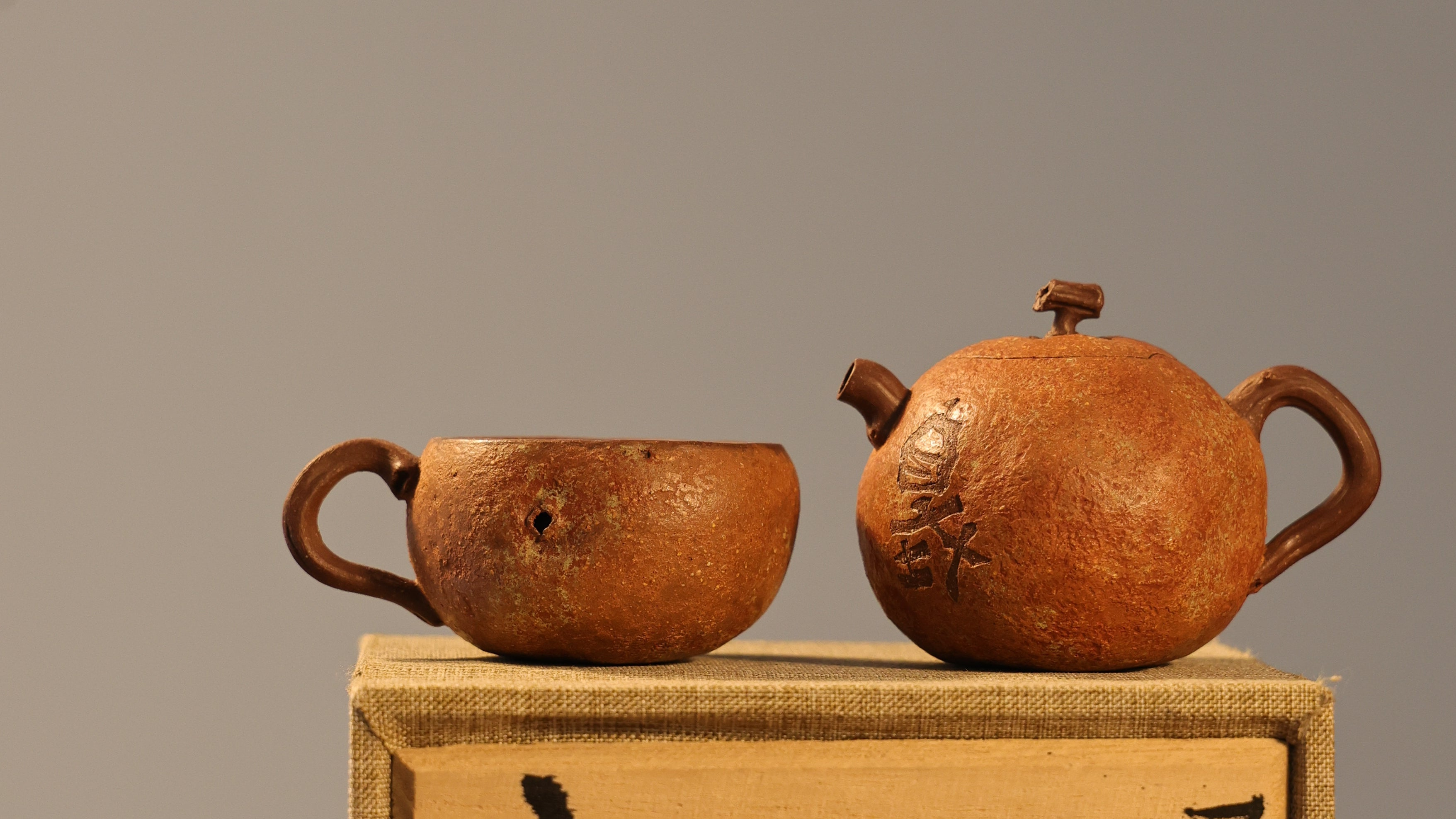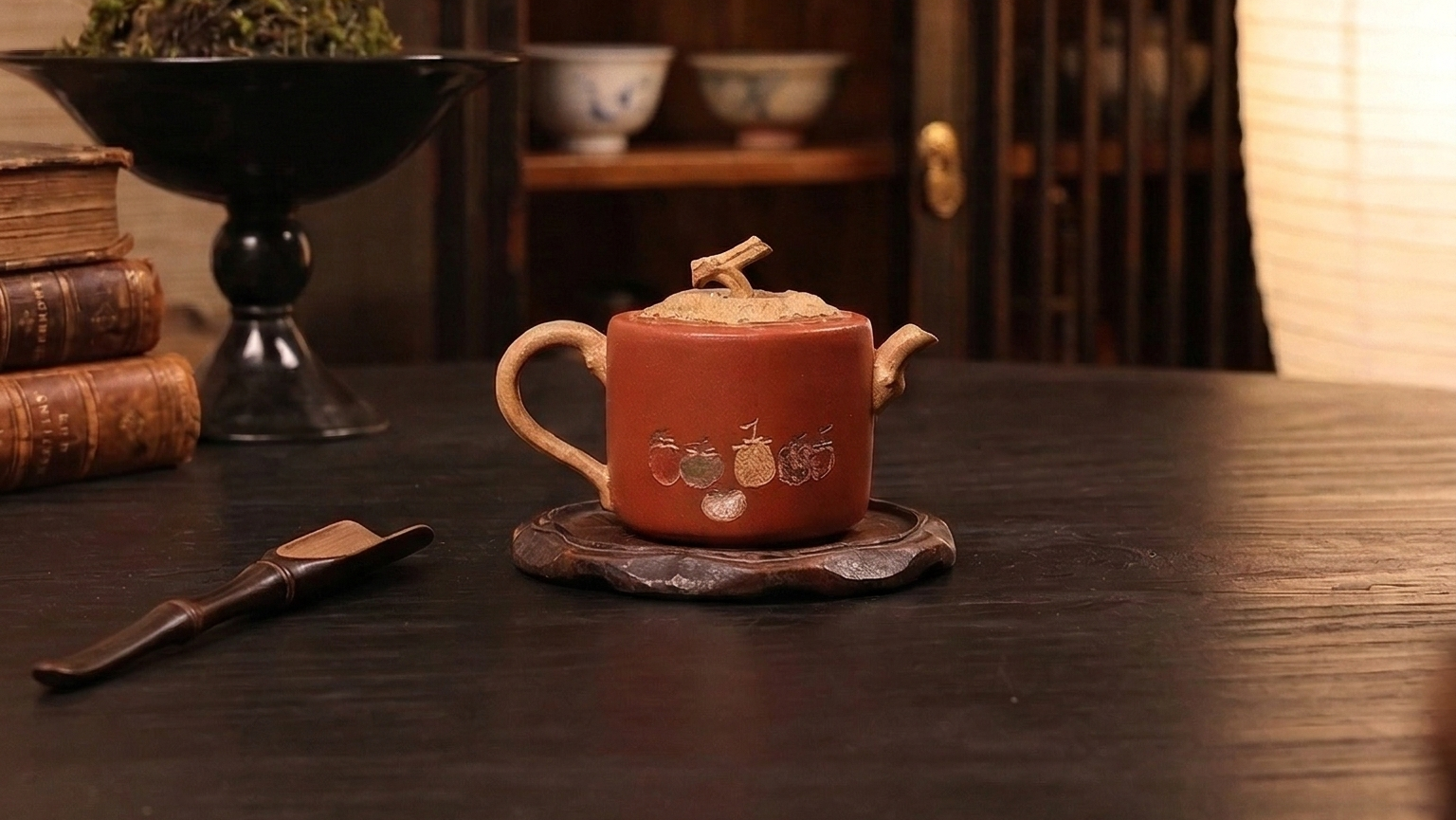
Sustained legacy shapes Eastern ceramic pots alongside timespans,
Representing unique traits taken inside regional plum particles, those containers acquire a finish along operation, boosting savor liberated from extracted drinks.
Discovering Yixing Earth: Detailed Insights into Zisha
Many connoisseurs admire the singular quality of Yixing amethyst clay, a keystone of ancient Chinese teaware. Emerging from the Yixing region of Jiangsu province, this rare clay demonstrates an delicate mineral blend, whichever imparts outstanding qualities to the realized objects. Kinds within Zisha, including Zhuni Mud, Duan Ni Mud, and Jiang Xi Mud, each offers particular tints, consistencies, and baking traits, shaping the absorption and the decisive flavor maturation of the drink.
Far Eastern Carafe Usages: Discovering Craftsmanship
Eurasian teapots embody greater than mere vessels for extract; they exemplify centuries of historical technique. From the famous Yixing clay variations, respected for their permeable nature which imparts particular tastes to the drink, to the refined porcelain from Jingdezhen, each piece narrates a record of devotion. The development process is an detailed journey, often bequeathed through generations of experts. These masters use established processes such as hand-building, casting on wheels, and adorned, demonstrating profound reverence for the foundation and the practice itself. Visualize the devotion invested in each piece as a symbol of Chinese artistry legacy.
- Purple sand flasks: a classic alternative.
- Jingdezhen ware teapots: valued for their graceful design.
- Constructing techniques: a challenging yet fruitful procedure.
Yixing Zisha Jar Handling: Protecting Your Esteemed Good
Proper preservation of your notable Yixing Zisha pot is fundamental to boosting its value. Crafted from famous purple sand sediment, these remarkable teapots gain a appealing patina after use, considerably boosting their allure. Withhold detergents; a mild rinse with comfortable warmth hydraulic medium is sufficient. Refrain steaming water for refreshing the teapot, as it may damage its material. Allow it to evaporate moisture away from harsh sun beams. Consider familiarizing your teapot regularly using fine tea, especially dark varieties. Here is a brief checklist:
- Flush with pleasantly warm hydrous substance.
- Avoid soaps.
- Permit it to desiccate.
- Treat with top-grade tea.
Background of Yixing Teapots: Early Beginnings
The history of Yixing teapots launches basically during the Zhao dynasty, roughly the 16th phase. Initially, these wares were not the respected items they are understood currently. They were fabricated by domestic potters using the specific purple clay obtained solely in the Yixing vicinity. These early artworks were principally utilitarian, targeted for usual utilization and often unadorned in form. It was not until the following dynasty that they commenced to earn recognition beyond mere functional articles.
Determining the Perfect Fine Pitcher: A Newcomer's Handbook
Embarking the world of Yixing teapots can be difficult, but resist resisting! For newcomers, the most important factor is understanding the clay. Certified Yixing clay is prized for its breathability, allowing the teapot to hold the tea's taste over time, heightening every extracting session. Ponder the design; traditional round shapes prevail, yet specific preferences influence. Lastly, assess the texture—while some favor an unprocessed appearance, others prefer a gentle gloss. Take your time in the option process—this is an procurement in a appreciated piece of creation.
Yixing Teapots and Their Importance on Chinese Infusion Culture
Zisha pitchers, derived from Yixing, China, have profoundly shaped customary Chinese drink culture. The Yixing clay teapots, prized for their singular hue, makeup, and exceptional ability to impart a subtle bouquet to the potion, function as more than mere containers; they are held dear masterpieces and symbols of eminence. The very custom of preparing and serving tea using a Zisha teapot is steeped in meaning, elevating the experience beyond simple refreshment. Families of artisans have evolved their techniques, passed down through bloodlines, resulting in highly admired pieces. As a result, Zisha teapots are frequently held, playing a crucial part in cultivating national appreciation for aesthetics and the ritual of drink ceremonies.
- Singular Clay Composition
- Providing Subtle Flavor
- Detailed Craftsmanship
Determining Verified Valuable Regional Teapots
Securing a genuine Yixing teapot can be a fulfilling experience, but the industry is often crowded with forgeries. Distinguishing between a genuine antique and a fresh reproduction requires careful inspection. Key features include the clay's russet shade, often displaying patterned signs, and the absence of modern baking imprints. The profile should appear natural refinement, reflecting the traditional Yixing look. Finally, evaluating the artisan's inscription is paramount to verify genuineness against recognized citations.
- Assess the clay's fabric.
- Look for blemishes, indicative of custom quality.
- Employ an expert for authentication.
Obtaining Native Teapots: A Thorough Reference to Earthenware Awareness
The realm of Eastern Zisha containers grants a noteworthy circumstance for discerning Purple Clay Teapot investors. Continuously, the cost of these bespoke artifacts is contingent by different variables, such as the category of Zisha, the skill of the artisan, the artistic meaning, and, naturally, the ongoing interest. Starters should emphasize on studying the several kinds of Zisha clay—such as Frozen River, Peaceful Container, and Ruby Mud—and exploring the properties linked to each. Exact analysis of the container's pattern, tint, and emblem is likewise necessary to make responsible solutions when investing.